admin
admin
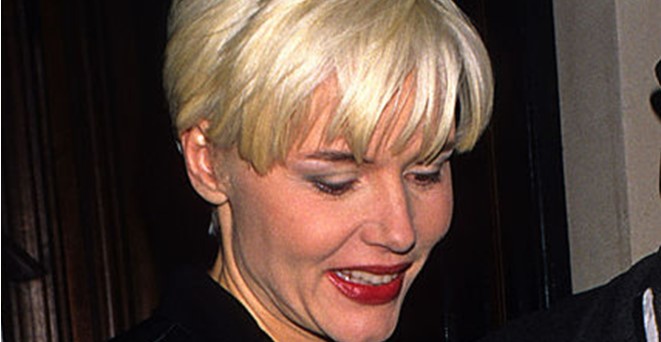
She Nearly Died at 8 — Then Became One of Hollywood’s Most Powerful Women
Long before she became an Oscar-winning actress and one of Hollywood’s most influential women, Geena Davis was just a quiet, shy child growing up in a traditional New England household. Her journey to fame was not paved with confidence or privilege, but with fear, trauma, and moments that could have ended her life before it truly began.
At just eight years old, Geena experienced a terrifying incident that stayed with her forever. During a car ride with her great-uncle, his reckless driving nearly caused a fatal head-on collision. As the vehicle swerved dangerously into oncoming traffic, young Geena sat frozen with fear, unsure if she would survive the ride. Miraculously, tragedy was avoided — but the emotional impact lingered. Years later, she reflected on how that moment taught her to stay quiet and polite, even when she was deeply afraid.
That frightening experience was only one part of a deeply complicated childhood. Geena later revealed that she was sexually abused by a neighbor — a trauma that was met with silence rather than support. The lack of acknowledgment left her carrying shame and confusion into adulthood. Like many survivors, she learned to suppress her pain, believing that staying quiet was safer than speaking up.
Growing up tall and awkward, she often felt out of place. Classmates teased her, and her shyness made it difficult to defend herself. While others seemed confident and carefree, Geena retreated inward, never imagining she would one day stand confidently in front of cameras or command attention on the world’s biggest stages.
Despite her insecurities, she was intelligent, creative, and curious. She studied drama and music, eventually moving to New York City, where she began working as a model. Even then, acting did not feel like a guaranteed future — it was simply an opportunity that appeared unexpectedly.

Her big break came almost by accident when director Sydney Pollack spotted her in a Victoria’s Secret catalog and cast her in Tootsie (1982). The role changed everything. Audiences noticed her immediately, and Hollywood began to see her as more than just a beautiful face.
Throughout the 1980s and 1990s, Geena Davis built an extraordinary career, starring in films that would become cultural landmarks. From the bold and fearless Thelma & Louise to the beloved A League of Their Own and the quirky classic Beetlejuice, she helped redefine what strong female characters looked like on screen. Her performances were powerful, intelligent, and deeply human.
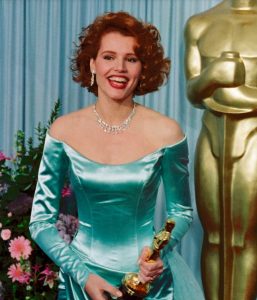
Winning an Academy Award for The Accidental Tourist confirmed her place among Hollywood’s elite. Yet, success did not erase the struggles she had faced — instead, it gave her a platform.
As she grew older, Davis became increasingly aware of how women and girls were portrayed in film and television. Shocked by the imbalance she observed, she founded the Geena Davis Institute on Gender in Media, dedicating her influence to improving representation and equality in the entertainment industry. What began as personal concern turned into a global movement backed by research, advocacy, and change.
Beyond her professional life, Geena embraced motherhood later in life, raising three children and redefining what it meant to balance family, purpose, and ambition. Her story proved that life does not follow one fixed timeline — success, love, and fulfillment can arrive at any stage.

Today, Geena Davis is not just remembered for her films, but for her resilience. She is living proof that trauma does not define destiny, and that even the most fragile beginnings can lead to extraordinary strength. From a frightened child who nearly lost her life, she rose to become a woman who changed Hollywood — and continues to inspire millions around the world.