admin
admin
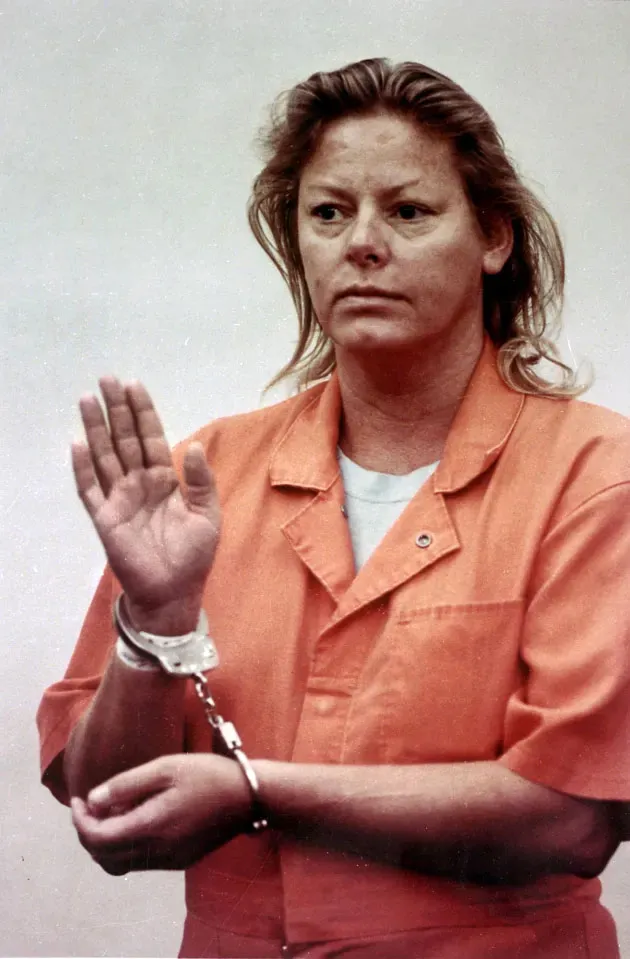
She Was Just a Little Girl From Michigan — Then She Became One of America’s Most Notorious Female Killers
Aileen Wuornos was born in 1956 in Rochester, Michigan. On the surface, she was simply another child growing up in the American Midwest. But behind that ordinary beginning was a childhood filled with instability, abandonment, and trauma.
Her father was convicted of serious crimes and later died in prison. Her mother abandoned Aileen and her brother when they were very young, leaving them to be raised by their grandparents. Reports from those who knew her describe a deeply troubled household. Wuornos later claimed she experienced abuse during her early years — experiences that, whether fully documented or not, shaped the narrative of her life.
By her early teens, Aileen was already struggling. She reportedly engaged in risky behavior at a young age and eventually dropped out of school. After being forced to leave home, she began living on the streets, relying on strangers for survival. Her life became defined by instability, poverty, and emotional isolation.
In her twenties and thirties, Wuornos drifted across states before eventually settling in Florida. There, she lived a transient lifestyle, supporting herself through sex work and short-term relationships. It was during this period that she met Tyria Moore, a woman who would become her partner and one of the most significant relationships in her life.
Between late 1989 and 1990, several men were found dead along Florida highways. The victims had been shot, and their vehicles were later discovered abandoned. Investigators eventually linked the killings to Wuornos. She was arrested in January 1991 after authorities built a case tying her to the crimes.
During interrogations and trial proceedings, Wuornos admitted to the shootings but insisted she acted in self-defense, claiming the men had attempted to assault her. Prosecutors argued the murders were premeditated and financially motivated. The court ultimately sided with the prosecution.

Wuornos was convicted of multiple murders and sentenced to death. Over the years on death row, her mental health became a topic of discussion. She gave interviews in which she made erratic and sometimes contradictory statements, further fueling public fascination with her case.
In 2002, she was executed by lethal injection in Florida.
Her story has continued to captivate audiences long after her death. The 2003 film Monster, starring Charlize Theron, brought renewed attention to her life and won critical acclaim for its portrayal of a woman shaped by trauma and desperation. Documentaries and crime series have revisited the case repeatedly, debating whether Wuornos should be remembered solely as a serial killer — or also as a product of severe childhood neglect and abuse.
The life of Aileen Wuornos remains one of the most disturbing and complex criminal cases in modern American history. It is a story that forces uncomfortable questions about accountability, trauma, and how early life experiences can shape — but not excuse — devastating choices.