admin
admin
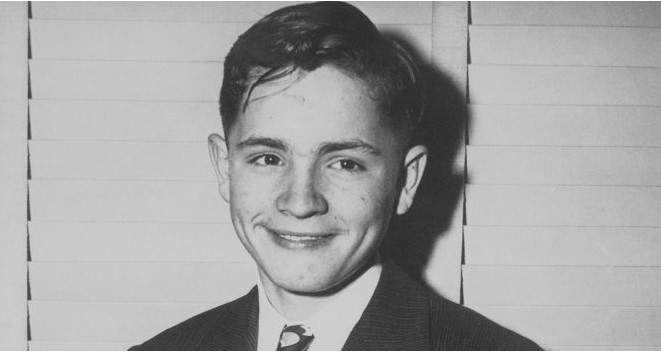
This Innocent-Looking Boy Would Grow Up to Shock the World
At first glance, the childhood photo shows nothing unusual — just a young boy with a calm expression and an ordinary appearance. There are no signs of what the future would hold. Yet this boy would later become Charles Manson, one of the most infamous figures in modern history.
Born in 1934 in Ohio, Manson’s early life was marked by instability and neglect. His mother was very young, frequently in trouble with the law, and often absent. As a result, he spent much of his childhood moving between relatives, foster homes, and reform institutions. Structure, security, and emotional support were largely missing from his life.
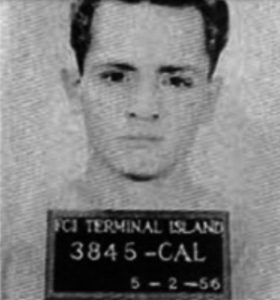
From an early age, Manson struggled to adapt. He dropped out of school, committed petty crimes, and spent years cycling in and out of correctional facilities. Instead of rehabilitation, prison life taught him how to manipulate others — a skill that would later define his notoriety.
By the late 1960s, Manson had gathered a group of followers, mostly young people searching for meaning and belonging. Through charisma and psychological control, he convinced them to see him as a visionary figure. His distorted interpretations of music and culture became the foundation of a dangerous belief system.
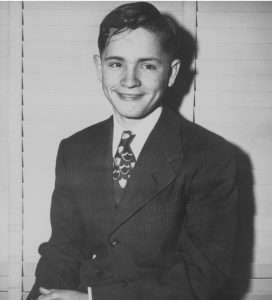
That influence ultimately led to a series of crimes that horrified the United States and permanently changed public perception of cults and manipulation. Although Manson did not carry out the acts himself, the courts found him responsible due to the control he exercised over his followers.
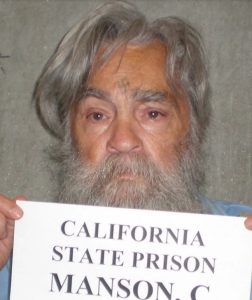
Sentenced to life in prison, Manson spent decades behind bars, becoming a symbol of how charisma, trauma, and unchecked influence can combine in devastating ways. He died in 2017, but his story continues to be examined as a warning — not just about one individual, but about the environments and circumstances that allow such figures to emerge.
The unsettling truth remains: even the most ordinary beginnings can sometimes lead to the darkest outcomes.