admin
admin
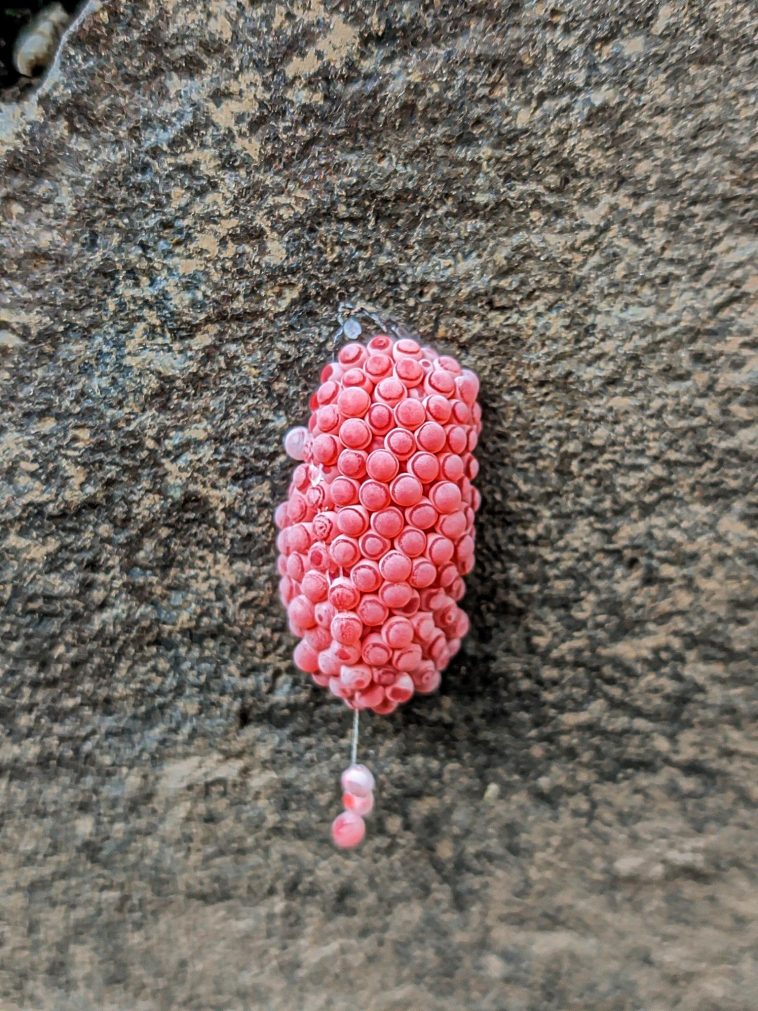
If you’ve ever walked near a pond, lake, or river and noticed bright pink clusters stuck to plants or walls, you might have wondered: What are those strange eggs?
They may look unusual—even beautiful—but these vibrant pink clusters are actually the eggs of a freshwater creature known as the apple snail.
🐌 What Are Apple Snail Eggs?
Apple snails (genus Pomacea) are aquatic snails commonly found in warm freshwater environments. Their eggs are instantly recognizable because of their bright pink color and clustered appearance.
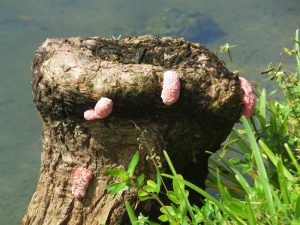
Each cluster can contain hundreds or even thousands of tiny eggs, carefully laid just above the waterline on surfaces like:
Plant stems
Rocks
Concrete walls
Wooden structures
This placement helps protect the eggs from aquatic predators.
🎨 Why Are They Bright Pink?
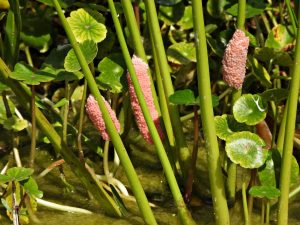
The intense pink color isn’t random—it’s a natural warning signal.
These eggs contain defensive compounds that make them unappealing or even harmful to predators. In fact, the coloration acts as a “stay away” sign in nature.
👉 Important:
It’s best not to touch these eggs with bare hands, as they may cause irritation.
⚠️ Are They Dangerous?
While they aren’t deadly, apple snail eggs can:
Cause skin or eye irritation
Be harmful if accidentally ingested
So if you come across them, admire from a distance and avoid direct contact.
🌍 Why Are Apple Snails a Problem?
In many parts of the world, apple snails are considered an invasive species.
Here’s why:
They reproduce extremely fast
They consume large amounts of aquatic vegetation
They can damage crops like rice
They disrupt local ecosystems
Once established, they can be difficult to control.
⏳ What Happens Next?
After about 1 to 2 weeks, the eggs hatch into tiny snails, which then drop into the water and begin feeding.
Before hatching, the eggs usually fade in color, becoming paler or whitish.
🧠 Final Thoughts
Those eye-catching pink clusters may seem harmless, but they are actually a sign of a rapidly spreading species that can impact the environment.
So next time you see them:
✔️ Recognize them
✔️ Avoid touching them
✔️ Appreciate nature—but with caution