admin
admin
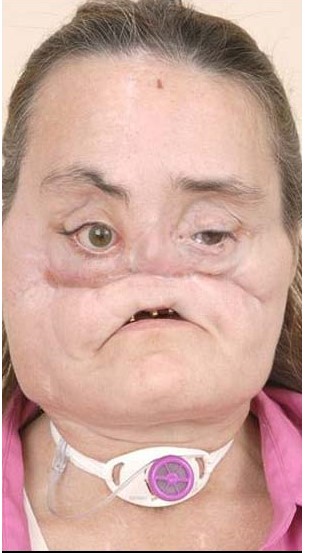
The First Face Transplant in the U.S.: The Remarkable Story of Connie Culp
For many years, Connie Culp lived a quiet life in Ohio. She was a mother, a friend, and someone who never imagined that her name would one day be known around the world. But in 2004, a tragic act of violence changed her life forever — and ultimately led to one of the most groundbreaking medical procedures in modern history.
A Night That Changed Everything
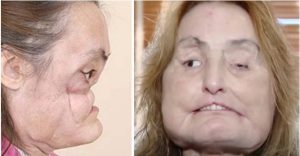
In September 2004, Connie became the victim of a brutal domestic violence attack. During an argument outside their home, her husband shot her in the face with a shotgun and then attempted to take his own life. Miraculously, Connie survived the attack, but the injuries were catastrophic.
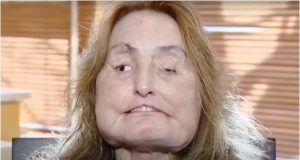
The blast destroyed much of her face. She lost her nose, parts of her cheeks, and her upper lip. Her jaw and palate were severely damaged, and she could barely speak, eat, or breathe normally. Doctors were able to save her life, but rebuilding her face would prove to be an enormous challenge.
Her husband survived the incident as well and was later sentenced to prison.
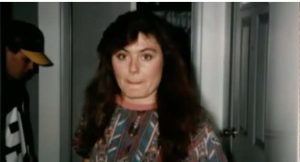
Years of Painful Surgeries
After the attack, Connie began a long and difficult journey of recovery. Over the next several years, doctors performed nearly 30 reconstructive surgeries in an attempt to repair the devastating damage.
Despite these procedures, there were limits to what traditional reconstructive surgery could accomplish. Connie was left with severe facial disfigurement. She often had to wear scarves in public to cover her face and endured constant stares from strangers.
Simple everyday tasks were extremely difficult. Eating and drinking required special care, speaking was challenging, and breathing was sometimes uncomfortable. Yet through it all, Connie remained determined to move forward with her life.

A Groundbreaking Medical Decision
Eventually, doctors at the Cleveland Clinic proposed a radical and experimental solution: a face transplant.
At the time, the procedure was still considered highly experimental. Only a few partial face transplants had been attempted anywhere in the world. The surgery carried enormous risks, including organ rejection, infection, and the lifelong need for powerful immunosuppressant medications.
Despite the risks, Connie decided to move forward. She wanted the chance to regain a more normal life.
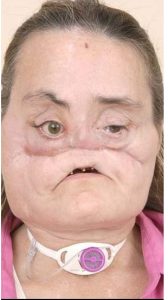
The Historic 22-Hour Surgery
In December 2008, a team of surgeons led by Dr. Maria Siemionow performed the historic operation at the Cleveland Clinic.
The surgery lasted about 22 hours and involved a large team of medical specialists. Doctors transplanted approximately 80 percent of Connie’s face, including the nose, cheeks, upper lip, and parts of the facial structure from a deceased donor.
The procedure required surgeons to carefully connect tiny blood vessels, nerves, muscles, and bone structures. It was one of the most complex transplant operations ever attempted in the United States.
When the surgery was completed successfully, Connie Culp officially became the first person in the United States to receive a near-total face transplant.
Learning to Live Again
Recovery was long and challenging. Connie had to undergo months of therapy and medical monitoring as doctors carefully watched for signs of transplant rejection.
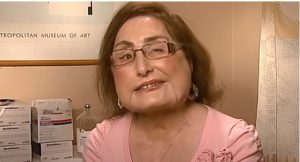
Gradually, she began to regain important abilities. She could smile again, speak more clearly, and eat more comfortably. While the new face would never be identical to either her original appearance or the donor’s, it allowed her to regain functions and confidence she had lost.
For the first time in years, Connie could walk outside without feeling the need to hide her face.
Becoming an Inspiration to Others
After her recovery, Connie became a powerful voice for organ donation and medical research. She spoke publicly about her experience, hoping her story would inspire others to consider becoming organ donors.
She often expressed deep gratitude to the donor and the donor’s family, whose generosity made her new life possible.
Connie also became a symbol of resilience for survivors of domestic violence. Her willingness to share her story helped raise awareness about the long-lasting impact of abuse.
A Legacy That Changed Medicine
Connie Culp passed away in 2020 at the age of 57 due to complications from an infection unrelated to her transplant surgery. However, her legacy continues to influence modern medicine.
Her historic surgery helped open the door for additional face transplant procedures around the world. Today, surgeons continue to build on the knowledge gained from cases like hers, offering hope to patients with severe facial injuries or deformities.
Connie’s journey showed the world not only the incredible possibilities of modern medicine but also the extraordinary strength of the human spirit.
Her story remains a powerful reminder that even after unimaginable tragedy, hope, courage, and scientific progress can create a second chance at life.